R&S logo

Curriculum

Practical life, sensorial, math, language, culture, movement, and music.

The Montessori Curriculum

Maria Montessori's pedagogical philosophy aims for development of the human potential as preparation for life. Learning is a dynamic process in which the whole personality of the child is actively involved. In order to educate the WHOLE child, the child must have freedom to develop physical, intellectual and spiritual power. In a properly prepared environment, the child spontaneously explores learning with the tools of inner discipline and outer freedom.
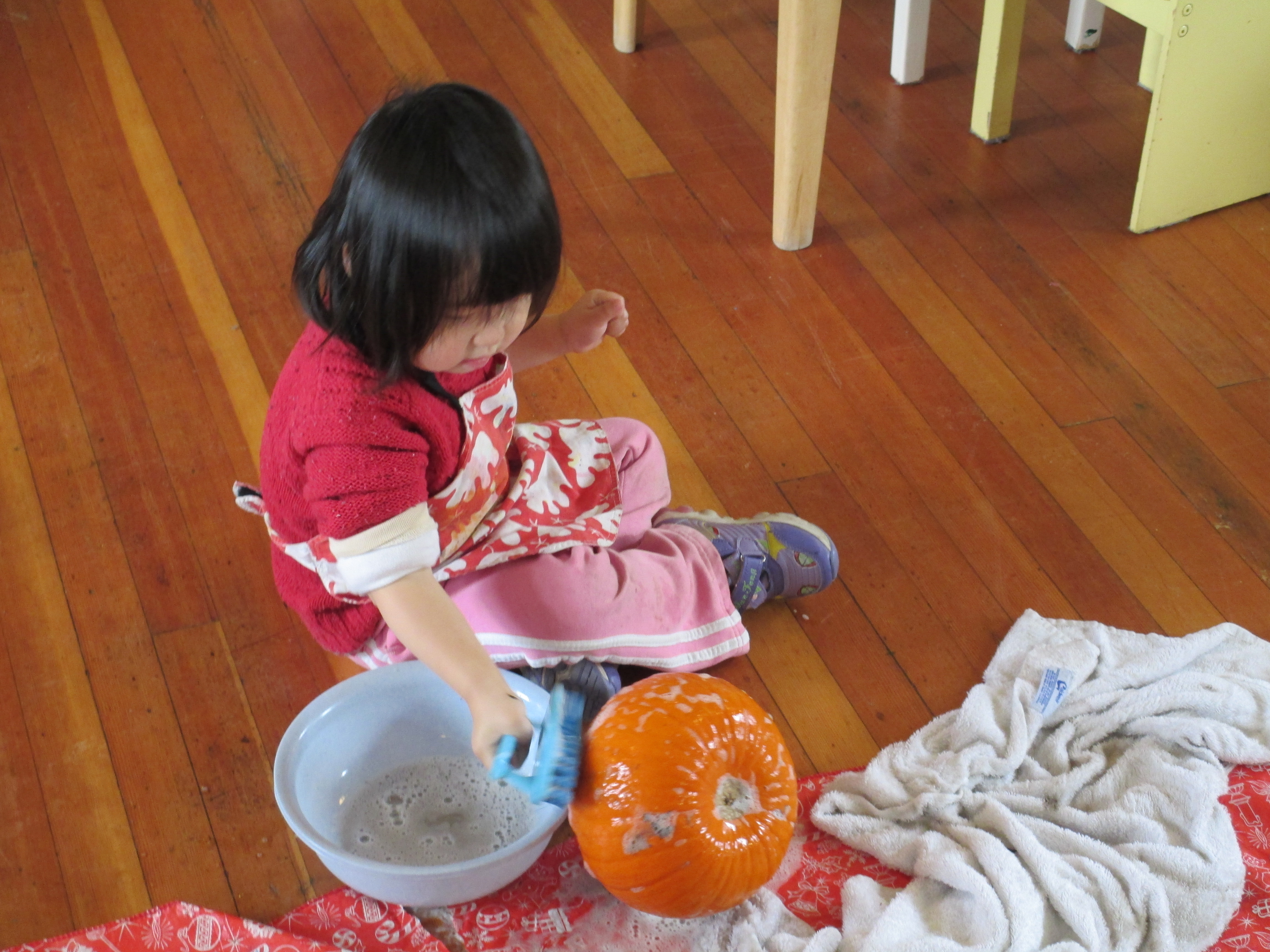
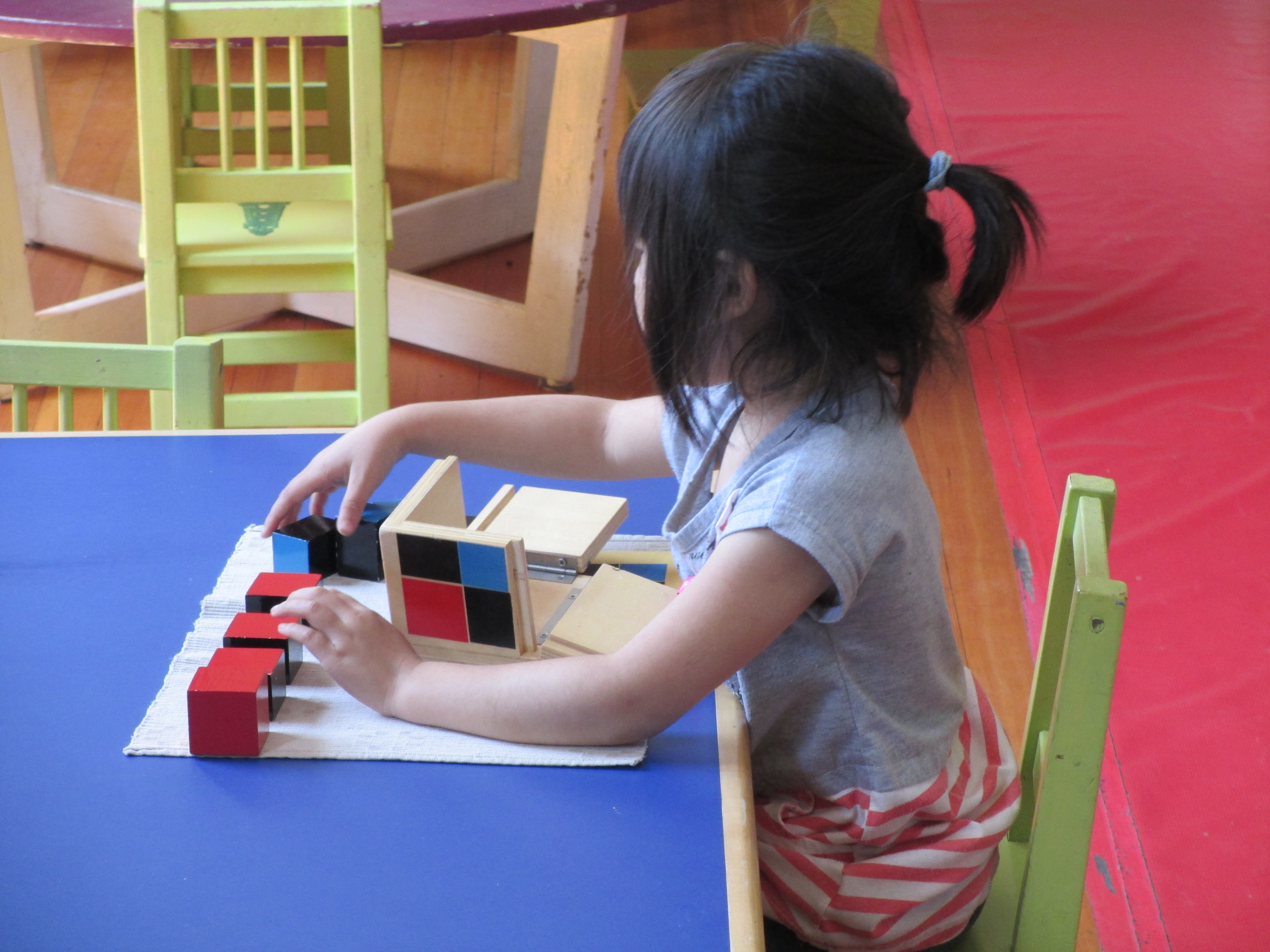
Practical life Montessori activities

Practical Life

The Practical Life materials involve children in precise movements and allow them to work at their own pace. Children naturally seek order and independence through movement and purposeful activity. Early exercises are simple and are followed by increasingly challenging activities that build coordination and concentration.

Sensorial learning materials in use

Sensorial

The Sensorial materials are designed to train the senses and include visual, tactile, auditory, gustatory, olfactory, thermic and stereognostic activities.

Through physical manipulation of materials, children learn concepts such as large/small, heavy/light, thick/thin, loud/soft, shapes and smells. These activities strengthen muscular memory and precise movement coordination and form a foundation for abstract thinking.

Mathematics Montessori materials

Mathematics

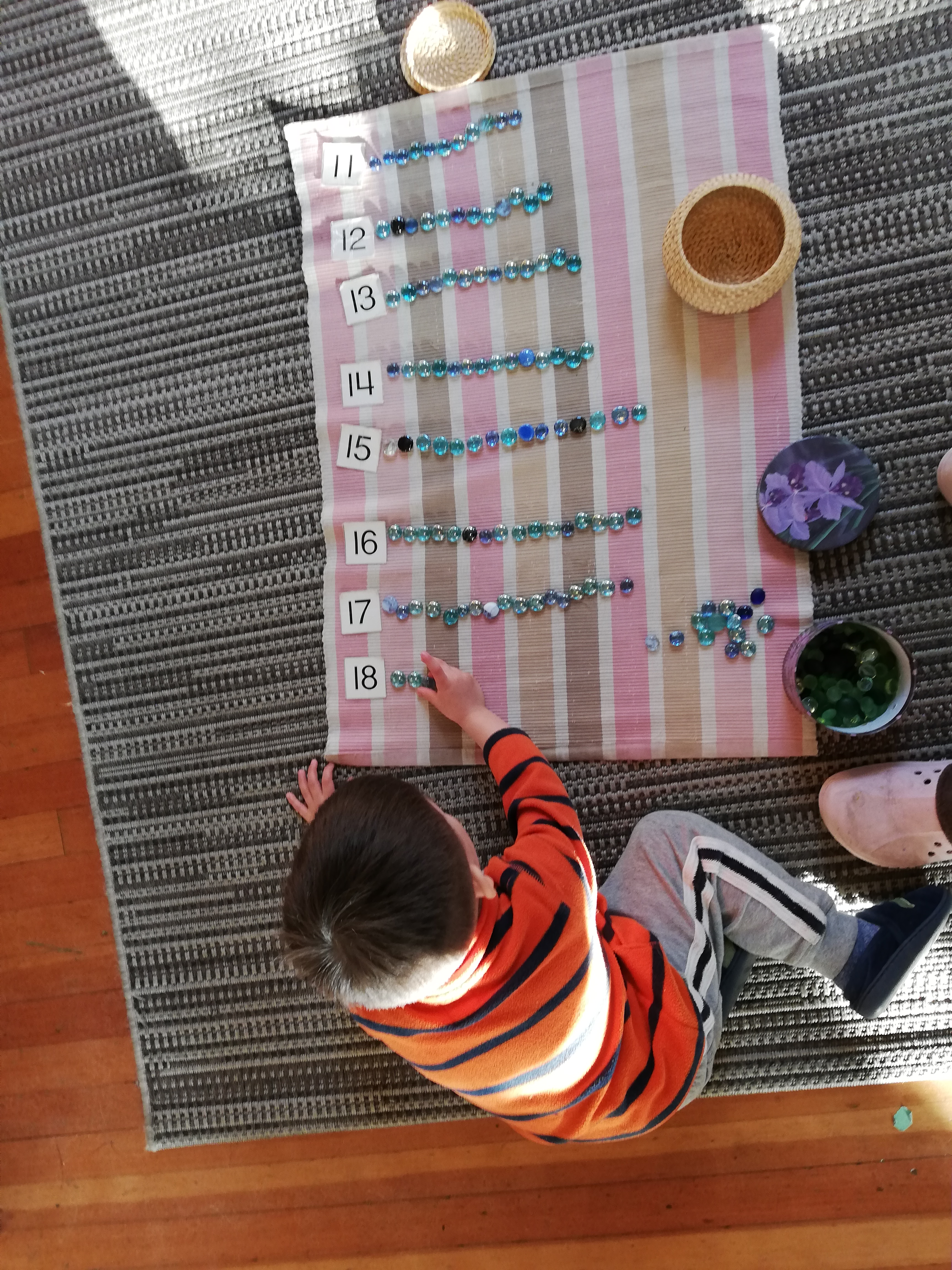
Mathematics materials in the Montessori classroom are designed for hands-on exploration. By manipulating objects such as spindles, beads and number cards, children gain quantity and number-symbol understanding with ease.

A stable foundation in numbers 1 to 10 leads into decimal system work. Children are introduced to addition, subtraction, multiplication and division through concrete materials.

Language learning area

Language

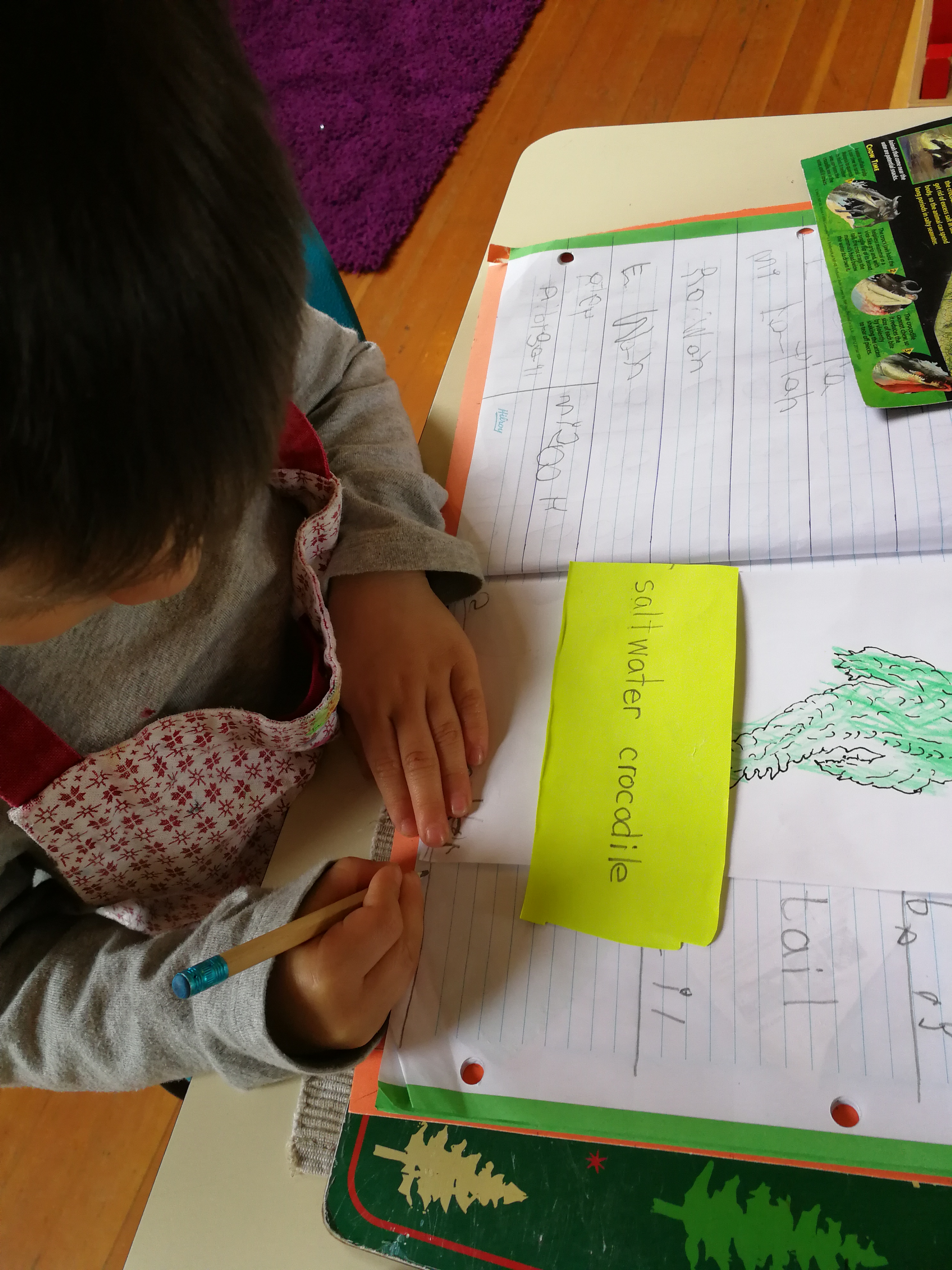
Using sandpaper letters, children learn alphabet sounds and corresponding symbols. Movable Alphabet exercises allow children to build words and sentences from sounds and express ideas freely.

Classroom materials across all areas build vocabulary and language structure, preparing children for both interpretive and mechanical stages of reading.

Culture and geography activities

Culture

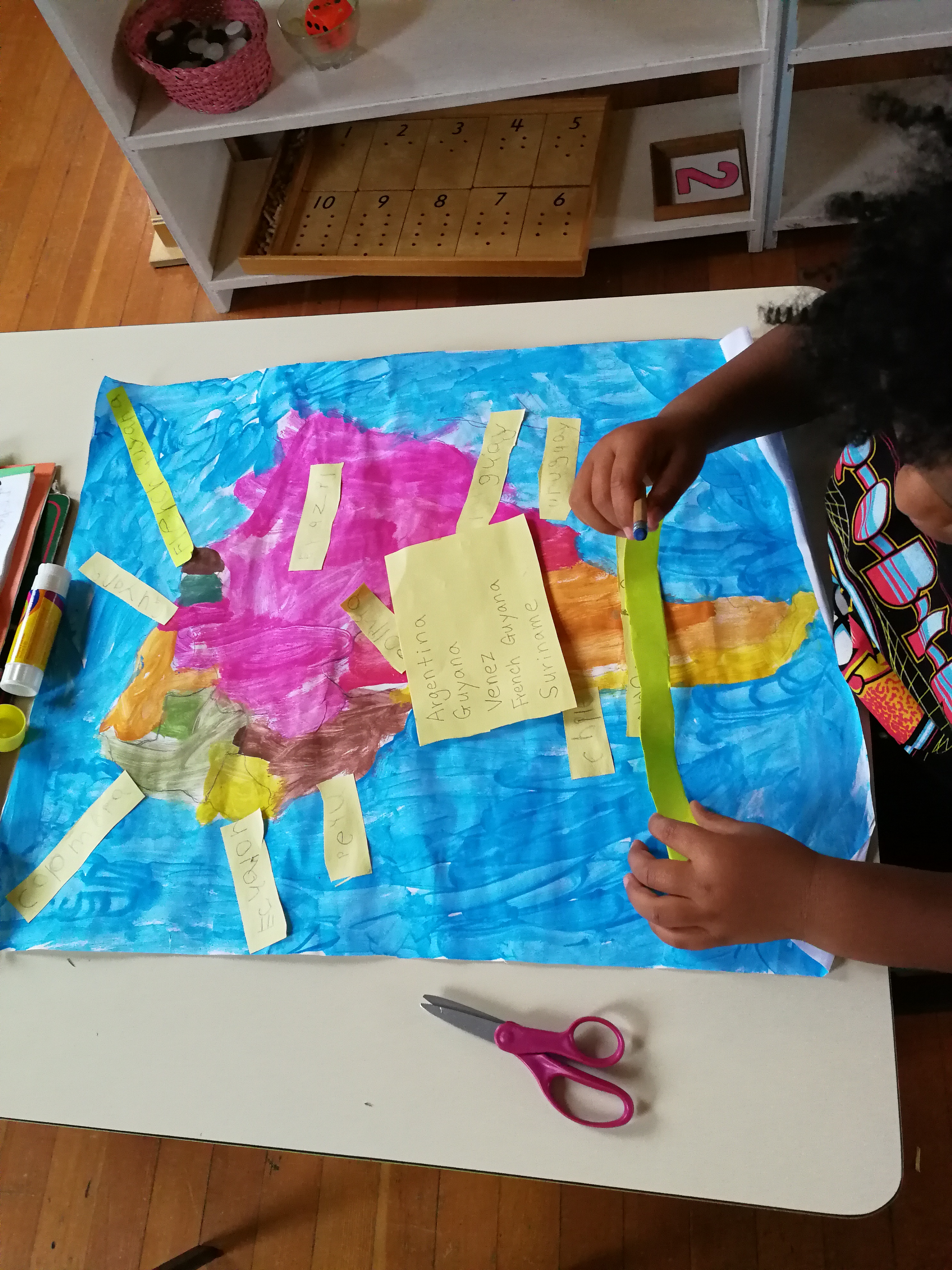
Through the cultural area, children are introduced to history, art, music, geography, botany and zoology. Montessori cultural work helps children explore the world, respect living things, and develop a sense of wonder in life's many forms.

Music and movement learning activities

Art, Movement and Music

Montessori environments are known for academic and social development, and also place strong value on art, movement and music. Creativity and self-expression are supported through materials such as Musical Bell, Tone Bars and rhythmic instruments.

Children explore visual art through drawing, painting, play-do, paper cutting, coloring, pattern work and construction activities such as gluing, folding and shaping. Movement includes musical expression as well as cultural styles and history, helping children express understanding and joy.